
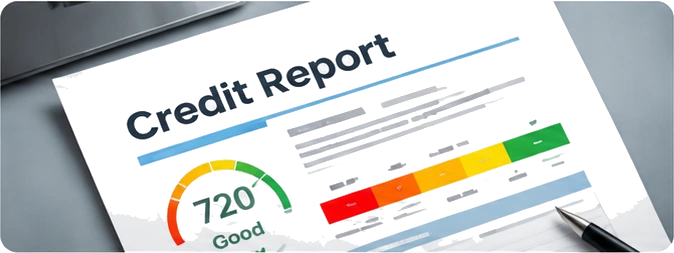
Your credit score plays an important role in your financial life. Whether you want to apply for a credit card, purchase a car, qualify for a mortgage, or access better loan terms, understanding your credit score can help you make informed financial decisions.
In 2026, maintaining a good credit score remains an important step toward building financial stability. The good news is that you do not need perfect credit to make progress. By understanding how credit scores work and adopting healthy financial habits, you can work toward improving your credit profile over time.
What Is a Credit Score?
A credit score is a numerical representation of your creditworthiness. Lenders use it, along with other financial information, to evaluate how you have managed borrowed money and estimate the risk of lending to you.
In the United States, many lenders use FICO Scores or VantageScore models. These scoring systems generally consider information from your credit history, including payment behavior, credit utilization, account age, and recent credit applications.
Your score may vary depending on the scoring model and the information contained in the credit report being evaluated.
What Is Considered a Good Credit Score in 2026?
The meaning of a good credit score depends on the scoring model being used. Here is a general guide to the widely used FICO Score range.
- Exceptional: 800–850 — Indicates a strong credit history and may help you qualify for competitive lending terms.
- Very Good: 740–799 — Generally reflects responsible credit management and may provide access to favorable offers.
- Good: 670–739 — Often considered a solid credit range by many lenders.
- Fair: 580–669 — May limit your options or result in higher interest rates.
- Poor: 300–579 — May make qualifying for certain loans and credit products more difficult.
These categories are based on the FICO Score range. VantageScore uses different category definitions, and lenders may have their own approval requirements.
Why Does Your Credit Score Matter?
Your credit score can influence several financial opportunities.
1. Getting Approved for Loans
Lenders may review your credit score when you apply for personal loans, auto loans, credit cards, or mortgages. A stronger score may improve your chances of approval, although your income, debt, and other factors also matter.
2. Accessing Better Interest Rates
Borrowers with stronger credit profiles may qualify for lower interest rates. Over the life of a loan, even a modest difference in the interest rate can affect the total amount you repay.
3. Qualifying for Credit Cards
Some credit cards offer rewards, cashback, travel benefits, or promotional interest rates. Your credit profile can affect which products are available to you.
4. Preparing to Buy a Home
Mortgage lenders typically consider credit history, income, debt-to-income ratio, and other eligibility requirements. Building stronger credit may help you prepare for the homebuying process.
5. Supporting Your Overall Financial Goals
A healthy credit profile can provide more flexibility when you need to borrow money. It is one part of a broader financial plan that should also include budgeting, savings, and responsible debt management.
What Factors Affect Your Credit Score?
Although the exact calculation depends on the scoring model, several factors commonly influence your score.
Payment History
Your payment history is one of the most important factors in a FICO Score. Paying bills on time can help build a positive credit history. Missed payments may negatively affect your score.
Credit Utilization
Credit utilization refers to how much of your available revolving credit you are using.
For example, if your credit card has a $2,000 limit and your reported balance is $600, your utilization is 30%.
Keeping balances low relative to your limits may help your credit profile. There is no single utilization percentage that guarantees a particular score, but lower utilization is generally preferable.
Length of Credit History
The age of your accounts and the length of time you have used credit can influence some scoring models. Before closing an old account, consider how the decision may affect your available credit and overall financial situation.
New Credit Applications
Applying for several credit accounts within a short period may lead to multiple hard inquiries. Depending on the scoring model and circumstances, these inquiries can temporarily affect your score.
Credit Mix
Having experience with different types of credit may contribute to some scoring models. However, you should not open unnecessary accounts simply to diversify your credit.
How Can You Improve Your Credit Score in 2026?
Improving your credit score usually requires consistent habits rather than quick fixes.
1. Pay Your Bills on Time
Set up payment reminders or automatic payments where appropriate. If you are struggling to make a payment, contact the lender to discuss your options before the account becomes overdue.
2. Reduce Credit Card Balances
Paying down revolving balances can reduce your credit utilization. Start by reviewing your current balances, interest rates, and monthly budget.
3. Review Your Credit Reports
Check your credit reports for inaccurate balances, unfamiliar accounts, incorrect payment information, or other errors. Reviewing your reports helps you identify issues that may need attention.
4. Dispute Inaccurate Information
If you find information you believe is incorrect, submit a dispute to the relevant credit reporting agency and, where appropriate, the company that supplied the information. Provide supporting documents when available.
Accurate negative information generally cannot be removed simply because it is unfavorable.
5. Avoid Unnecessary Credit Applications
Apply for new credit when it supports a genuine financial need. Multiple applications may create additional inquiries and make your finances more difficult to manage.
6. Be Patient and Consistent
Credit improvement takes time. The results depend on your existing credit history, the information being reported, and the scoring model used.
How Often Should You Check Your Credit Score?
Checking your credit regularly can help you monitor changes and identify potential problems. You may be able to access a credit score through your bank, credit card issuer, or a reputable credit monitoring service.
Remember that a score provided by one service may differ from the score a lender uses. Focus on the overall direction of your credit health rather than expecting every service to display the same number.
Can Negative Items Be Removed From Your Credit Report?
Some negative items may be removed when they are inaccurate, incomplete, outdated under applicable reporting rules, or cannot be properly verified after a valid dispute.
However, accurate and properly reported negative information generally remains on your credit report for the period allowed by law. For many common negative items, that period can be up to seven years, although the rules differ by item and circumstance.
Be cautious of anyone who guarantees a specific score increase or promises to remove all negative information. No legitimate service can guarantee a particular credit score.
Frequently Asked Questions
Is a 700 credit score good in 2026?
A 700 FICO Score is generally considered good. However, approval decisions and interest rates depend on the lender, the scoring model, and other financial factors.
Is a 750 credit score considered excellent?
A 750 FICO Score falls within the very good range. It may help you qualify for competitive financial products, depending on the lender’s requirements.
How long does it take to improve a credit score?
There is no universal timeline. Some changes may appear after updated information is reported, while rebuilding a damaged credit history may take considerably longer.
Does checking my own credit score lower it?
Checking your own credit score or reviewing your own credit report is generally considered a soft inquiry and does not lower your score.
Can I improve my credit score without taking out another loan?
Yes. You can focus on paying bills on time, reducing credit card balances, reviewing your reports, and correcting inaccurate information without opening another loan.
Final Thoughts
Understanding your credit score is an important step toward making confident financial decisions. By paying bills on time, keeping credit card balances manageable, reviewing your credit reports, and avoiding unnecessary applications, you can work toward a stronger credit profile.
If you are unsure where to begin, a review of your current credit situation can help you identify potential errors and practical next steps.
Ready to take control of your credit? MegaCreditRepair can help you understand your credit report and explore options for moving toward your financial goals.
Disclaimer: This article is for educational purposes only and does not constitute financial, legal, or credit advice. Credit outcomes vary by individual circumstances, scoring model, and lender.